
Oral & Maxillofacial Surgery
2306 24th Avenue
Astoria, NY 11102
Phone: 718.440.3457/58
Fax: 718.440.3137
Procedures
Dental Implants
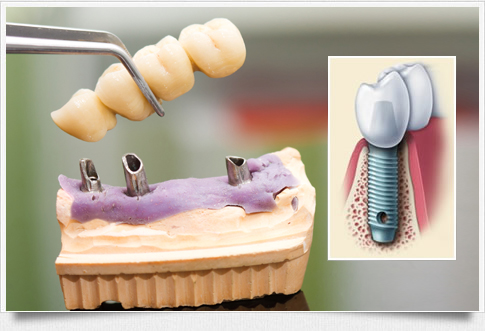
A dental implant designed to replace a single tooth is composed of three
parts:the titanium implant that fuses with the jawbone, the abutment,
whick fits over the portion of the implant that protrudes from the gum line;
and the crown, which is created by a prosthodontist or restorative dentist
and fitted onto the abutment for a natural appearance.
Many people who are missing a single tooth opt for a fixed bridge, but a
bridge may require the cutting down of healthy, adjacent teeth that may…
Wisdom Teeth and Anesthesia
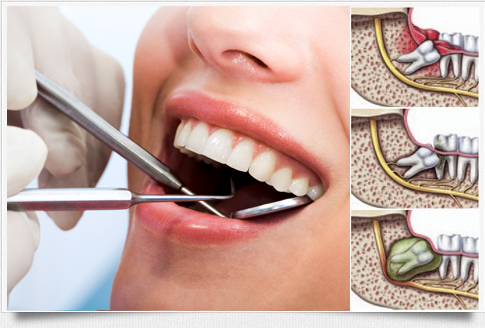
How serious is an impacted wisdom tooth?
If left in the mouth, impacted wisdom teeth may damage neighboring teeth, or become infected. Because the third molar area of the mouth is difficult to clean, it is a site that invites the bacteria that leads to gum disease. Furthermore oral bacteria may travel from your mouth through the bloodstream, where it may lead to possible systemic infections and illnesses that affect the heart, kidneys and other organs…
Bone Grafting
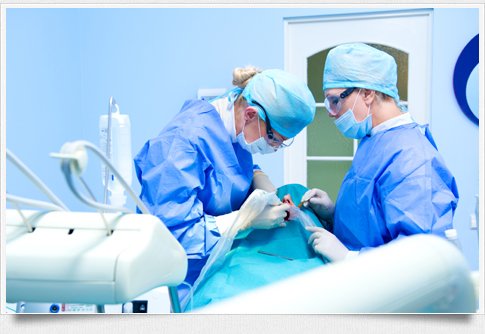
Bone Grafting – Oral and maxillofacial surgeons are the only dental specialists trained to obtain and place bone grafts in areas where little or no bone exists. Implant sites that lack the necessary bone can be enhanced with the use of bone grafts. Bone grafts are also used to treat bone loss resulting from traumatic injuries, tumor surgery or congenital defects.
Sinus Lift – A sinus lift is a bone grafting procedure that is sometimes…
Orthognathic Corrective Jaw Surgery
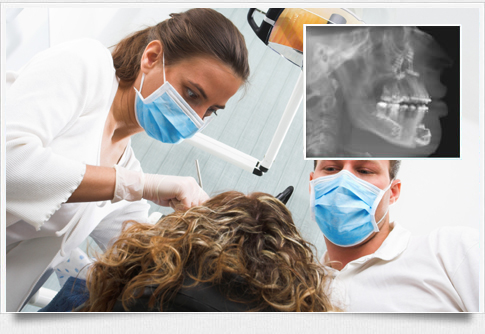
Your dentist, orthodontist and Oral and Maxillofacial Surgeon will work together to determine whether you are a candidate for corrective jaw, or orthognathic, surgery. The Oral and Maxillofacial Surgeon determines which corrective jaw surgical procedure is appropriate and performs the actual surgery. It is important to understand that your treatment, which will probably include orthodontics before and after surgery, may take several years to complete. Your Oral and Maxillofacial Surgeon and…
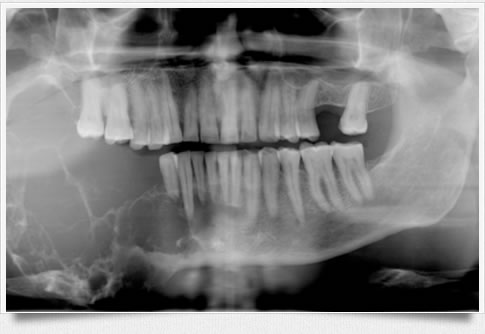
Oral and Jaw Lesions/Pathology
Oral and maxillofacial surgeons are trained to perform biopsies of both benign and malignant lesions in the maxillofacial region, and are experts in the clinical and microscopic diagnosis of disorders involving the mouth and jaws. Oral lesions include benign tumors and cancers, growths of tooth origin and those that arise in the salivary glands, infections (both local and systemic) and manifestations of systemic disorders…
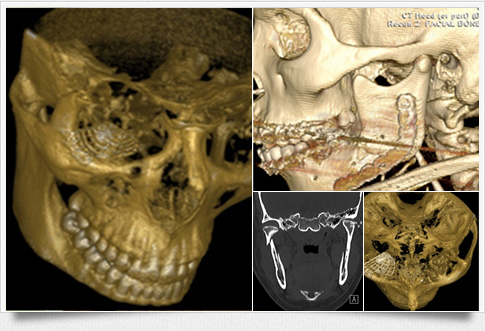
Facial Trauma and Fractures
One of the most common types of serious injury to the face occurs when bones are broken. Fractures can involve the lower jaw, upper jaw, palate, cheekbones, eye sockets and combinations of these bones. These injuries can affect sight and the ability to breathe, speak and swallow. Treatment often requires hospitalization…